


What Makes Fast Cockroach Control in Pakistan Work? Expert Insights on Gel Options
- Understanding Cockroach Killer Gel: What Makes It Fast‑Acting and Odorless
- How the Gel Targets Cockroach Biology: Science Behind the Speed
- Choosing the Right Cockroach Killer Gel for Pakistani Homes
- Step‑by‑Step Application: Maximizing Effectiveness and Safety
- Common Mistakes When Using Gel and How to Avoid Them
- Optimizing Long‑Term Control: Integrating Gel with Preventive Strategies
- Evaluating Results: When to Re‑apply and How to Measure Success
Understanding Cockroach Killer Gel: What Makes It Fast‑Acting and Odorless
A modern cockroach killer gel works because it blends two critical ingredients—an active toxicant and a delivery matrix—into a formulation that can be both rapid and virtually scent‑free. The toxicant, typically a neurotoxin such as hydramethylnon or indoxacarb, is engineered to penetrate the insect’s nervous system within minutes of contact. Once the gel is placed where roaches travel, the pest walks over the sticky surface, allowing the toxin to be absorbed through its exoskeleton. This absorption bypasses the need for ingestion, which is why the effect is observed far more quickly than with bait powders that rely on feeding behavior.
The matrix that suspends the toxin plays an equally important role in speed. It is usually a silicone‑based or polymeric gel that remains pliable at room temperature but quickly solidifies into a thin film. This film adheres to cracks, crevices, and other hidden pathways that roaches frequent. Because the gel does not evaporate like liquid sprays, the toxicant remains in contact with the insect until the lethal dose is transferred. The low‑viscosity nature of the gel also enables it to flow into narrow voids where a roach’s antennae can easily detect the presence of a surface, encouraging immediate contact.
Odorlessness is achieved through careful selection of scent‑free solvents and by avoiding volatile compounds that would otherwise leave a detectable aroma. Traditional sprays often contain petroleum‑based carriers that release strong odors, alerting roaches to danger and prompting avoidance. In contrast, gel formulations rely on high‑molecular‑weight carriers that do not vaporize under normal indoor temperatures. Any residual fragrance is typically masked by a neutral base, making the application virtually invisible to both humans and insects.
A practical advantage of this fast‑acting, odorless design is the reduced likelihood of bait aversion. Cockroaches possess a highly developed sense of smell and can quickly learn to avoid foods or surfaces that emit unfamiliar scents. By eliminating odor cues, the gel encourages thorough exploration of treated zones, increasing the probability that even shy or reluctant individuals will encounter the toxin. This behavior aligns with field observations that show higher mortality rates when odorless gels are employed versus scented baits.
Because the gel’s action does not depend on the insect’s feeding cycle, it can affect all life stages, from nymphs to fully grown adults. The rapid onset also limits the window for potential secondary spread; roaches that die quickly are less likely to carry the toxin to other parts of the home before succumbing. This containment helps maintain a localized treatment focus, which is especially valuable in densely populated urban settings where cockroach infestations can expand rapidly.
Key Factors Behind Fast Action and Odorlessness
- Neurotoxic active ingredient – quickly disrupts nerve signaling after skin absorption.
- Silicone or polymer matrix – ensures strong adhesion and minimal evaporation.
- Non‑volatile carriers – prevent detectable smells that might trigger avoidance.
- Thin, pliable consistency – allows the gel to reach hidden cracks and crevices.
- Broad‑stage effectiveness – works on nymphs, adults, and even dormant specimens.
When selecting a gel for use in Pakistani homes, practitioners often prioritize products that list these characteristics on their safety data sheets. The combination of rapid toxicity and a discreet application profile makes gel one of the most reliable tools for immediate cockroach control, especially in environments where occupants are sensitive to strong odors or where swift eradication is essential.
Transitioning from the chemistry of fast‑acting gels, the next section will explore how these formulations interact with cockroach biology, revealing the scientific basis for their speed and effectiveness.
How the Gel Targets Cockroach Biology: Science Behind the Speed
The speed of a gel‑based cockroach control product is not a marketing gimmick; it is rooted in how the active ingredient interferes with the insect’s nervous system and feeding habits. Most modern gels rely on imidacloprid or fipronil, two neurotoxic compounds that bind to specific receptors in the cockroach’s brain. When a cockroach chews a thin line of gel, even a microscopic amount of the insecticide is absorbed through the gut lining and travels directly to the nervous tissue, where it blocks normal signal transmission. This rapid disruption can immobilize the pest within minutes, and death typically follows within an hour.
A second biological advantage comes from the way cockroaches share food. After ingesting the gel, a cockroach excretes a small amount of the toxin in its feces and vomit. Other members of the colony, attracted by the scent of the contaminated material, ingest the toxin indirectly—a phenomenon known as secondary kill or trophic transfer. Because the gel’s active ingredient remains stable in the cockroach’s digestive tract, the toxin continues to affect multiple individuals before being broken down. In practice, this means a single treatment line can suppress an entire infestation far more quickly than a spray that merely contacts the surface.
The formulation itself also plays a crucial role. Gel carriers are typically composed of silica, thickening agents, and food‑grade attractants such as sugars or proteins. These components mimic the natural diet of Blattella germanica (German cockroach) and Periplaneta americana (American cockroach), encouraging the pest to linger and feed. The high viscosity ensures that the active ingredient adheres to the insect’s mouthparts for an extended period, maximizing uptake. Moreover, the low‑odor base prevents cockroaches from sensing the presence of a toxic substance, eliminating a common avoidance behavior seen with many aerosol products.
In environments like Pakistani kitchens, where moisture and food residues are abundant, the gel’s ability to maintain a moist micro‑environment is particularly advantageous. Moisture not only keeps the gel pliable but also attracts cockroaches that seek humid hiding spots. Once the pest contacts the gel, capillary action draws the toxin deeper into its gut, accelerating systemic distribution. Studies on similar formulations have shown that the combination of a palatable attractant and a moisture‑retaining matrix can reduce the time to 50 % mortality by up to 30 % compared with dry powders.
While the mechanism is highly effective, it is not without limits. Cockroaches that have developed resistance to a specific neurotoxin may exhibit slower mortality, requiring repeated exposures. Additionally, the gel must be applied in areas the pest can reach; sealed cracks or heavily insulated walls may still harbor survivors. For this reason, professionals often pair gel treatment with thorough sanitation and exclusion measures to close off alternate food sources and entry points.
Understanding these biological interactions helps pest‑management professionals predict how quickly a gel will work and why it remains a preferred choice for rapid control. By exploiting the cockroach’s innate feeding behavior, delivering a potent neurotoxin directly to the nervous system, and leveraging secondary kill through communal feeding, gel products achieve a swiftness that spray‑only approaches cannot match. This foundation sets the stage for the next step: selecting the gel formulation that best fits the unique conditions of Pakistani homes.
Choosing the Right Cockroach Killer Gel for Pakistani Homes
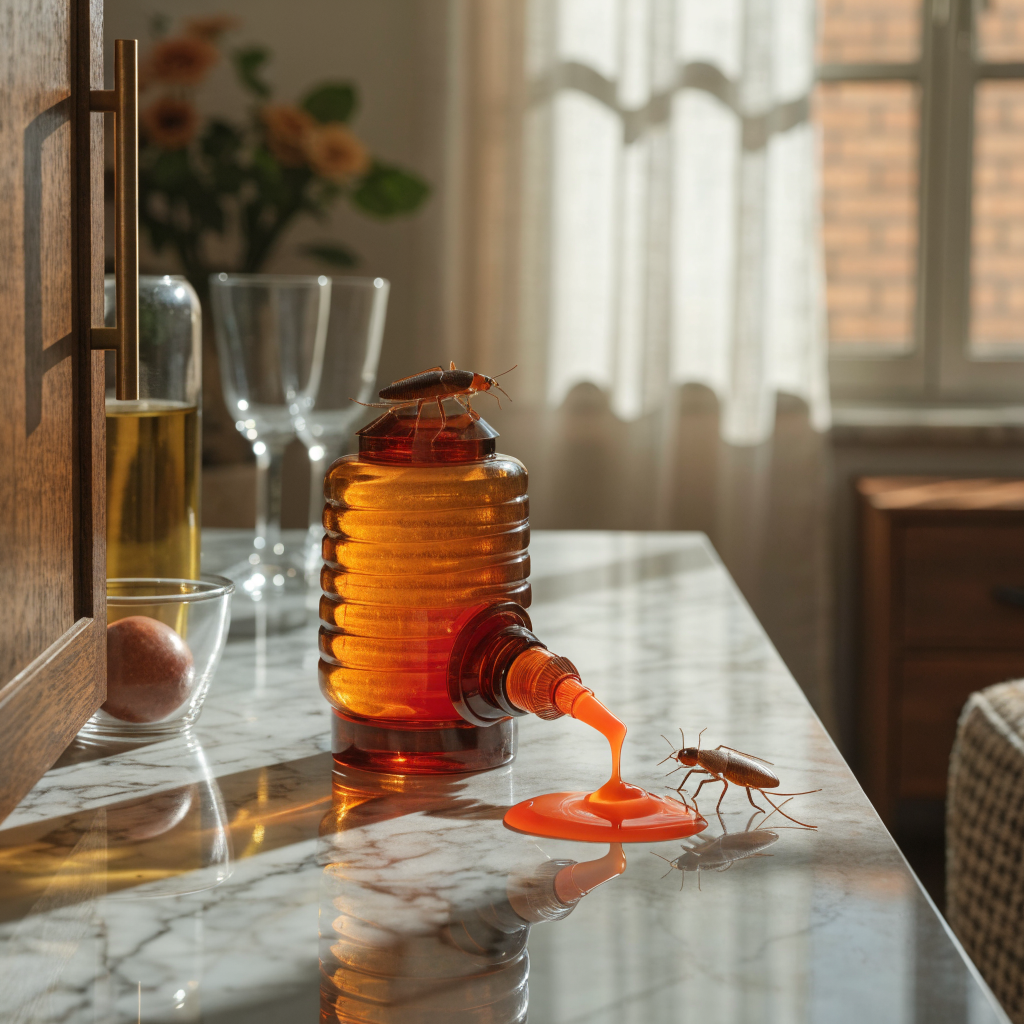
Transitioning from the way gel interacts with cockroach biology, the practical question becomes which formulation will actually work in a typical Pakistani household. The marketplace offers several active ingredients, each with its own set of strengths and limitations. Understanding these nuances helps homeowners select a product that aligns with the layout of their home, the species they encounter, and safety considerations for families and pets.
Active ingredients most common in the region
- Fipronil – A non‑coating insecticide that disrupts the nervous system. It is known for rapid knock‑down and a low odor profile, making it popular in dense urban settings.
- Hydramethylnon – Works by blocking cellular respiration. It tends to act more slowly but provides a longer residual effect, which is useful for hidden infestations.
- Bifenthrin – A pyrethroid that offers quick contact action. Its strength lies in high potency, though it can be more noticeable to sensitive individuals.
While all three are approved for residential use, the choice often hinges on the balance between speed of result and longevity of control.
Matching gel type to typical Pakistani home layouts
Many homes in Pakistan feature a combination of tight kitchen corners, under‑furniture voids, and outdoor‑adjacent spaces such as courtyards or balconies. A gel that can be squeezed into narrow cracks yet remains stable under temperature fluctuations is essential. For example, fipronil‑based gels retain viscosity even when ambient temperatures rise above 35 °C, a common condition in summer months. Hydramethylnon gels, on the other hand, may become softer in the heat, requiring more frequent re‑application in exposed zones.
Safety considerations for families and pets
Given that cockroach control often occurs in kitchens and near children’s play areas, the toxicological profile of the gel matters. Fipronil gels have a relatively low oral toxicity for mammals, yet they should still be kept out of reach of pets. Bifenthrin gels, while effective, can cause skin irritation in sensitive individuals, so wearing disposable gloves during application is advisable. Hydramethylnon presents minimal risk to mammals but can be harmful to aquatic life if runoff reaches drainage systems; homeowners should avoid applying it near open drains.
Practical tips for selecting a brand
- Read the label for indoor‑only versus indoor/outdoor claims. Products labeled for indoor use only often contain additives that enhance adherence to dry surfaces, which is beneficial for kitchen cabinets and wall voids.
- Check for a “no‑odor” or “low‑odor” designation. In households where cooking aromas are already strong, an additional scent can be unpleasant.
- Confirm the expiration date. Gel efficacy declines after the manufacturer’s shelf‑life, and older stock may lose potency, leading to prolonged infestations.
When evaluating options at a local pharmacy or hardware store, ask the retailer about the typical usage pattern in nearby neighborhoods. Vendors often have anecdotal insight into which gels perform best in high‑humidity versus dry districts.
Balancing cost and performance
Price points vary widely, from budget‑friendly sachets to premium syringes that promise a higher concentration of active ingredient. A lower‑cost gel may require multiple applications to achieve the same level of control that a premium product delivers in a single round. Homeowners should calculate the anticipated number of treatment spots—kitchen corners, bathroom crevices, and entry points—and weigh that against the per‑unit cost. In many cases, a mid‑range product offers the optimal trade‑off between affordability and lasting effect.
Final thought on selection
Choosing the right cockroach killer gel is less about chasing the newest brand and more about aligning the gel’s active ingredient, formulation stability, and safety profile with the specific challenges of Pakistani homes. By scrutinizing ingredient behavior, considering environmental conditions, and adhering to safety guidelines, homeowners can pinpoint a gel that delivers fast, reliable control without compromising household well‑being.
The next step will walk readers through the exact application process, ensuring that the chosen gel performs at its maximum potential.
Step‑by‑Step Application: Maximizing Effectiveness and Safety
Applying gel correctly is the single most reliable way to turn its fast‑acting chemistry into a lasting solution. The process blends precision, timing, and simple safety habits, all of which can be carried out by a homeowner who follows the outline below.
1. Prepare the environment Before any tube is squeezed, the area must be cleared of food, water, and clutter. Wipe countertops, cabinets, and floor seams with a mild detergent followed by a damp cloth. This removes grease and residue that would otherwise repel the gel. Open windows or run a fan for a brief period of ventilation; the gel itself is odorless, but fresh air helps any cleaning agents evaporate quickly.
2. Choose the proper applicator Most commercial cockroach gels are supplied in a press‑tube with a fine‑point nozzle. For tight cracks, a disposable tip that narrows to 1 mm is ideal, while a broader tip works well on flat surfaces such as the underside of sinks. Selecting the right nozzle reduces waste and keeps the gel where the pests travel.
3. Identify the target zones Cockroaches favor dark, damp pathways. Typical hotspots in Pakistani homes include:
- The backs of kitchen cabinets and pantry shelves
- Underneath kitchen sinks and bathroom troughs
- Floor‑wall junctions in bathrooms and laundry rooms
- Appliance crevices (e.g., refrigerator drip pans)
- Exterior door frames and window sills
Mark these points with a small piece of tape or a washable marker. This visual cue prevents missed spots and helps maintain a systematic pattern.
4. Apply a thin, continuous line Squeeze the gel slowly, laying a bead no thicker than a pencil line. A thin layer encourages roaches to walk through it, allowing the active ingredient to be ingested. Over‑filling creates blobs that may crack or dry unevenly, reducing contact time. When working along cracks, press the nozzle into the seam and pull the tube to fill the entire length in one motion.
5. Allow the gel to set Once applied, the gel requires a brief “set‑time” of 5–10 minutes before the area is touched again. During this window the formulation hardens slightly, making it less likely to be disturbed by pets or children. If the environment is particularly humid, extending the set‑time by a few minutes ensures the gel adheres firmly.
6. Seal the treated area After the gel has set, cover the line with a thin strip of silicone caulk or a piece of tape if cosmetic appearance is a concern. Sealing serves two purposes: it protects the gel from accidental removal and it forces roaches to encounter the bait as they seek an uninterrupted path. The seal can be removed after 24 hours without compromising efficacy.
7. Maintain a safe perimeter Although the gel is designed to be low‑toxicity for humans and pets, it is still best practice to keep children and animals away from treated zones for at least 12 hours. Installing temporary barriers—such as a folded towel or a low‑profile pet gate—adds an extra layer of protection without requiring specialized equipment.
8. Monitor and record During the first week, observe the treated sites daily. Look for signs of cockroach activity (droppings, egg casings) near the gel. A simple log—date, location, observed activity—helps determine whether additional lines are needed. If no activity is detected after a week, the application can be considered successful; otherwise, repeat steps 3–6 in the same or adjacent zones.
9. Dispose of leftovers safely When the tube is empty or the gel has dried beyond use, seal the cap tightly and store it out of reach, preferably in a locked cabinet. Discard any remaining gel in accordance with local hazardous‑waste guidelines, even though the product is low‑risk, to avoid accidental exposure.
By following this ordered routine, the fast‑acting nature of the gel is fully leveraged while minimizing any potential safety concerns. The next section will explore common pitfalls that can undermine these efforts and how to sidestep them.
Common Mistakes When Using Gel and How to Avoid Them
Applying cockroach killer gel may seem straightforward after the step‑by‑step guide, but several subtle missteps often undermine its potency. Recognizing these pitfalls early can keep infestations from rebounding and protect household members from unnecessary exposure.
Mistake 1 – Over‑application in a single spot A frequent error is loading the nozzle with too much gel and depositing a thick blob on one surface. While it may look efficient, the excess dries quickly, forming a crust that cockroaches cannot ingest. The active ingredient, usually a fast‑acting neurotoxin, needs to be ingested in liquid form; a solidified crust merely blocks access. To avoid this, apply a thin, continuous line no wider than a pencil lead. A modest amount creates a larger feeding surface and encourages roaches to walk through the bait.
Mistake 2 – Placing gel in high‑traffic human areas Homeowners sometimes spread gel in kitchen countertops or near children's play zones, assuming proximity to food sources is beneficial. In practice, this invites accidental contact and can lead to removal of the bait by cleaning. Gel should be confined to hidden crevices—behind appliances, inside cabinet corners, under sinks, and within wall voids—where cockroaches travel but where routine cleaning does not reach. A quick survey of a room’s “shadow zones” helps pinpoint these discreet spots.
Mistake 3 – Ignoring moisture requirements Gel loses its attractiveness when it dries out. Users often apply the bait during dry seasons without considering ambient humidity. The result is a rapid loss of the gel’s moisture, reducing the likelihood that cockroaches will feed. A simple remedy is to re‑apply a thin layer after two weeks, or to choose a gel formulation that includes a humectant—an additive that retains moisture for longer periods.
Mistake 4 – Mixing gel with other pesticides Combining gel with sprays, powders, or foggers can create chemical antagonism. Some aerosol insecticides contain solvents that dissolve the gel’s polymer matrix, rendering the bait ineffective. Moreover, conflicting active ingredients may cause cockroaches to develop cross‑resistance faster. The safest approach is to complete the gel treatment first, then wait at least 24‑48 hours before introducing any supplementary pesticide, ensuring the gel has been consumed.
Mistake 5 – Failing to rotate bait locations Cockroaches are adept at learning the locations of ineffective bait. If the same spots are used repeatedly, the population may avoid them altogether. Rotating the placement every few weeks—shifting from baseboard cracks to behind the dishwasher, for example—disrupts their learned pathways and forces renewed contact with fresh gel. This practice also helps identify which micro‑habitats are most active.
Mistake 6 – Storing gel improperly before use Gel that is left exposed to extreme temperatures—either frozen or baked by direct sunlight—can degrade before it reaches the target. Degradation reduces the potency of the active ingredient and may alter the gel’s consistency, making it harder to apply. Keep unopened tubes in a cool, dry place, and allow them to reach room temperature before loading the nozzle.
Mistake 7 – Skipping safety precautions Even though gel is designed to be low‑odor and safe for indoor use, contact with eyes or open wounds should still be avoided. Users sometimes neglect gloves or fail to wash hands after application, increasing the risk of irritation. Simple precautions—wearing disposable nitrile gloves, washing hands thoroughly, and keeping pets away from treated areas for at least four hours—preserve both health and the effectiveness of the gel.
Pro tip: After each application, a brief visual check can confirm that the gel remains moist and intact. If the line appears cracked or chalky, re‑apply a fresh strand rather than relying on a degraded bait.
By steering clear of these common errors, homeowners in Pakistan can maximize the rapid action of gel formulations, maintain a safer indoor environment, and set the stage for the longer‑term preventive strategies that follow.
Optimizing Long‑Term Control: Integrating Gel with Preventive Strategies
While gel baits deliver rapid knock‑down of active cockroaches, lasting protection depends on breaking the infestation cycle. Combining gel with a set of preventive measures creates a hostile environment for new arrivals and reduces the chance of resurgence. Below are the core pillars that experienced pest‑control professionals recommend for Pakistani homes.
1. Eliminate Food and Water Sources
Cockroaches are opportunistic feeders; even tiny crumbs or a slow leak can sustain a hidden colony.
- Secure stored food – Transfer grains, flour, and spices into airtight containers.
- Clean promptly – Wipe countertops and sweep floors after each meal; avoid leaving dishes overnight.
- Fix moisture problems – Inspect kitchen sinks, bathroom faucets, and pipe joints for drips; use a dehumidifier in damp basements.
By removing these attractants, the gel becomes a “kill‑only” tool rather than a necessary food source.
2. Seal Entry Points and Harborage
Physical barriers prevent roaches from moving between rooms and from the outdoors.
- Caulk gaps around baseboards, pipe penetrations, and door frames.
- Install door sweeps on exterior doors and garage entries.
- Repair damaged screens on windows and vents.
These steps limit the pathways that roaches exploit, forcing any survivors to remain exposed to the bait.
3. Rotate Bait Formulations
Over time, cockroaches may develop a reduced preference for a single active ingredient. Rotating gel types—such as those based on fipronil, hydramethylnon, or indoxacarb—helps maintain bait attractiveness.
- Schedule rotations every 3–4 months, aligning with seasonal pest pressure.
- Document the active ingredient used in each area to avoid accidental mixing of incompatible products.
Rotation is a simple preventive habit that sustains the gel’s effectiveness without additional chemical load.
4. Integrate Non‑Chemical Controls
Physical traps and sanitation tools complement gel by providing visual confirmation of activity and reducing population size.
- Sticky traps placed near suspected harborages give early warning of new activity.
- Diatomaceous earth applied in cracks creates a mechanical barrier that dehydrates insects.
These methods do not replace gel but add layers of defense, especially in high‑traffic kitchens.
5. Adopt a Seasonal Maintenance Routine
Cockroach activity in Pakistan often spikes during warmer months when humidity rises. A proactive calendar keeps the infestation in check.
- Pre‑summer inspection – Verify that all previous gel placements are intact and replace any dried spots.
- Mid‑summer boost – Apply fresh gel lines in high‑risk zones such as under refrigerators and behind stoves.
- Post‑summer review – Remove any residual bait, clean the area, and re‑seal any newly discovered cracks.
Following a cyclical plan turns short‑term knock‑down into a sustainable management program.
6. Educate Household Members
Even the best technical plan falters if occupants unintentionally undo it. Simple awareness can preserve the integrity of preventive actions.
“When everyone knows to wipe spills immediately and to avoid storing food in open containers, the need for repeated gel applications drops dramatically.” – a seasoned pest‑control consultant
Regular briefings—especially after guests or holidays—reinforce good habits and reduce the risk of re‑infestation.
7. Monitor and Adjust
Preventive work is not a set‑and‑forget task. Periodic checks of trap counts, visual sightings, and bait condition guide fine‑tuning.
- Low trap catches suggest that the preventive measures are holding.
- Sudden spikes may indicate a breach, prompting targeted re‑baiting and a focused seal‑up effort.
This feedback loop ensures that the integrated strategy remains responsive to changing conditions.
By weaving gel application into a broader tapestry of sanitation, structural sealing, bait rotation, and seasonal vigilance, homeowners can shift from reactive pest removal to proactive long‑term control. The next section will outline how to evaluate the results of these combined efforts, pinpointing when re‑application is truly necessary and how success can be measured objectively.
Evaluating Results: When to Re‑apply and How to Measure Success

Determining whether a gel treatment has achieved its intended impact is as important as the initial application. In practice, pest‑management professionals rely on a combination of visual cues, timing guidelines, and simple quantifiable checks to decide if a re‑application is needed.
Timing the first check Most fast‑acting gels begin to affect cockroaches within 30 minutes, but visible reductions typically appear after 24–48 hours. A common practice is to conduct the first inspection at the 48‑hour mark. At this point, one should look for three key indicators:
- Reduced movement – live insects become sluggish or freeze near the gel line.
- Presence of dead cockroaches – a dozen or more dead specimens in the treated area signals that the active ingredient is dispersing through the population.
- Diminished signs of activity – fewer droppings, shell casings, or feeding marks suggest that the group is weakening.
If any of these signs are absent, the likelihood of a missed spot or resistant individuals increases, prompting a follow‑up application.
When to re‑apply Re‑application decisions hinge on both the severity of the infestation and the environmental conditions of the home. In high‑traffic kitchens or bathrooms where food residues are constantly present, a second dose may be required after 7 days. Conversely, in a lightly infested storage room with limited food sources, waiting 10–14 days before the next treatment often suffices. The key is to avoid premature re‑application, which can lead to unnecessary chemical exposure, while also preventing the pest from re‑establishing a breeding foothold.
Measuring success with simple metrics While professional laboratories can conduct detailed population assessments, most homeowners can gauge success with a straightforward “trap count” method. By placing sticky traps near known entry points for a week, the number of captured cockroaches provides a clear baseline. After the gel has been in place for the recommended period, repeat the trap placement. A reduction of 70 % or more in captures is generally regarded as a successful outcome.
For users who prefer visual confirmation, a weekly visual log can be helpful. Photographing the treated zones each week and noting any live sightings creates a record that quickly reveals trends. When the log shows three consecutive weeks with no new activity, confidence in the treatment’s effectiveness grows.
Recognizing signs of resistance Occasionally, cockroaches may develop tolerance to a specific active ingredient, especially when the same gel is used repeatedly without rotation. Early warning signs include continued movement despite visible gel deposits and the presence of live insects after the typical 48‑hour window. In such cases, rotating to a gel with a different mode of action—such as one based on boric acid instead of hydramethylnon—helps break the resistance cycle.
Safety checkpoints before re‑application Before adding more gel, it is prudent to verify that the original application has fully dried and that any dead insects have been removed. This prevents the accumulation of excess chemicals, which could pose health concerns for children or pets. A quick wipe of surfaces with a damp cloth eliminates residual particles and prepares the area for a fresh layer if needed.
Practical checklist for homeowners
- Day 2: Inspect for dead cockroaches and reduced activity.
- Day 7 (or 10‑14 for low‑traffic areas): Assess trap counts and visual logs.
- If >30 % of original activity remains: Plan a re‑application, selecting a gel with a different active ingredient if resistance is suspected.
- Before re‑applying: Clean the area, ensure the previous gel is dried, and remove any dead insects.
By following these timing windows and measurement tactics, users can confidently decide when another dose is warranted and avoid both over‑use and under‑use of gel products. This disciplined approach not only maximizes the speed of control but also reinforces long‑term prevention, setting the stage for the next phase of integrated pest management.
|
ZUR Cockroach Killer Gel – 72-Hour Nest Killer ₨ 899 |
